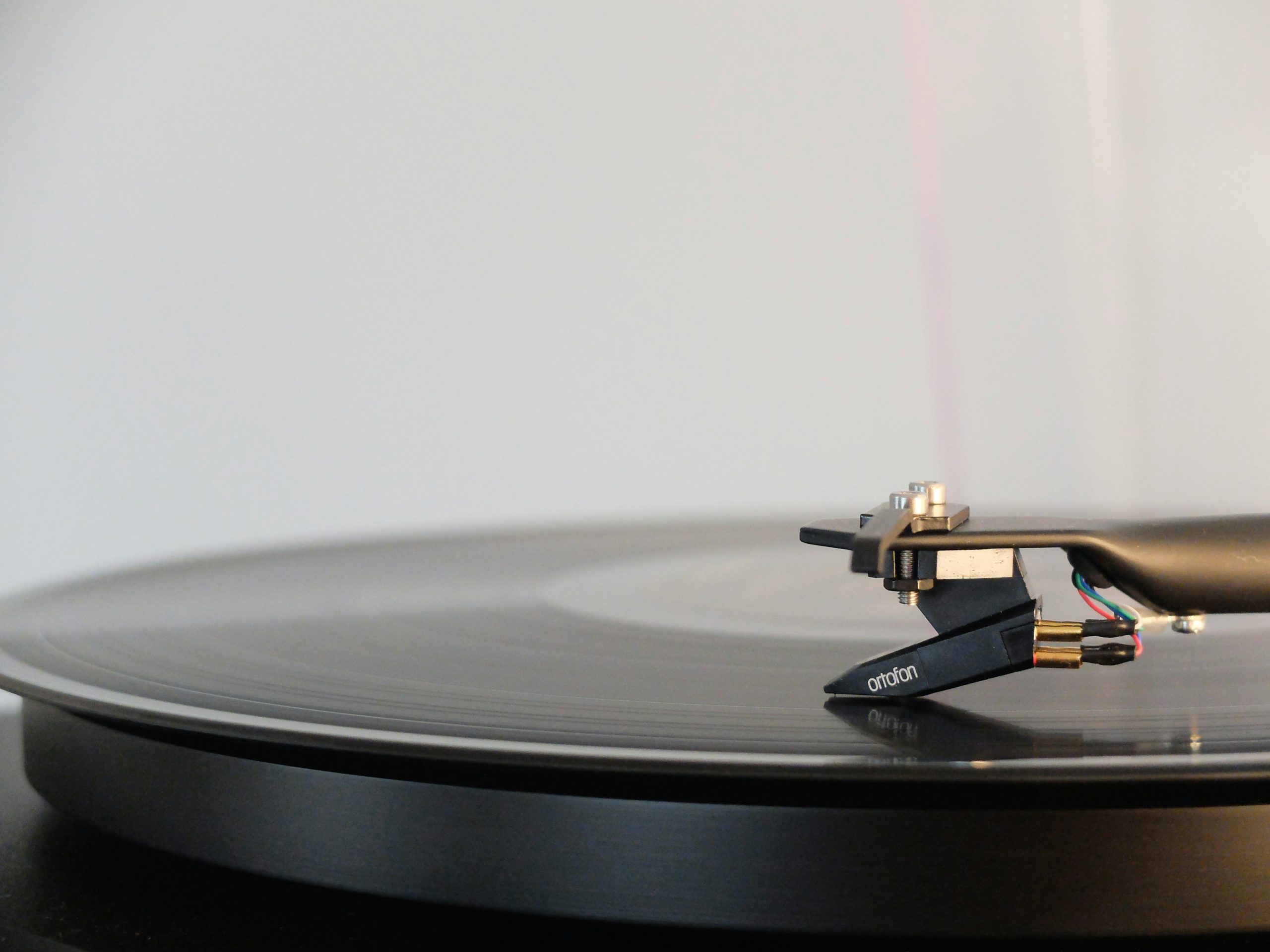
The digital version of an object is almost never as good as the original analog object because digital systems can’t capture the full range of details and subtle qualities that exist in the real world. When something is digitized, continuous data (like visual details or sound) is converted into a finite number of pixels or bits, meaning some information gets lost in the process.
One major reason for this is that analog objects, like paintings or vinyl records, have infinite variations in things like color, texture, or sound waves. When these are converted to digital, we’re forced to break them down into smaller, measurable units, which means we lose some of the richness and complexity of the original. For example, vinyl records capture sound as a continuous wave, while digital music, like MP3 files, captures sound by sampling it at intervals. That’s why some people say vinyl sounds “warmer” or more natural it preserves more of the original sound wave than digital can.
Another issue is that digital files are often compressed to save storage space, which reduces quality. Compression works by getting rid of details that the system determines are less important, but these small changes can still affect the overall quality of the file. For example, JPEG images are often compressed, and while they look fine from a distance, if you zoom in, you’ll notice a loss of sharpness or pixelation that you wouldn’t see in an original photograph. The same applies to compressed music files like MP3s, which don’t have the same depth or clarity as lossless formats or analog recordings.
Resolution is another limitation of digital systems. Even though modern cameras and screens can capture or display millions of pixels, they still don’t match the level of detail that the human eye or analog systems like traditional film can capture. For instance, a 4K TV offers great picture quality, but it can’t fully replicate the texture, depth, and small details you would notice in real life or with a high-quality film print.
Despite these limitations, digital representations have clear advantages when it comes to convenience, storage, consistency, and editing capabilities. One of the biggest trade-offs is that digital files are much easier to store and share. For example, you can store thousands of digital photos on your phone or a hard drive, but physical photos take up a lot more space. E-books are another good example. They save space and are easy to carry around, but they don’t provide the same experience as reading a physical book the texture of the pages or the smell of the paper.
Digital files also tend to be more consistent. A digital image or audio file will look or sound the same every time you open it, while analog objects, like printed photos or vinyl records, can degrade over time. A physical photograph might fade, crease, or get damaged, but a digital photo remains unchanged as long as the file is intact. Plus, digital media is much easier to manipulate. You can edit a digital image or video quickly in software like Photoshop or Premiere, whereas making similar changes to a physical object is often difficult, if not impossible.
Human perception plays a big role in how we decide to digitize something. Our eyes and ears are sensitive to certain types of information more than others, and we tend to prioritize capturing the details that matter most to us. For example, in images, the human eye is more sensitive to brightness than color. This is why JPEG compression reduces color information but keeps brightness details intact because people are less likely to notice small changes in color but will pick up on brightness differences. Similarly, when audio is compressed, sound frequencies outside the range of human hearing are often removed because most listeners won’t notice the difference. However, some people still prefer analog formats like vinyl because they believe these formats capture more subtle details that digital systems miss.
In conclusion, while digital representations are more practical and easier to use, they come with trade-offs in terms of quality and detail, especially when compared to analog objects. The choice between analog and digital often comes down to what’s more important in a given situation whether it’s the convenience and ease of access that digital offers, or the depth and richness that analog can capture.